Anger Triggers Test: A Guide to Identifying and Managing Yours
Ever had a day where a tiny annoyance, like spilling coffee on your shirt, triggers an emotional explosion? One moment you're fine, and the next, you're overwhelmed by a wave of intense anger that feels disproportionate to the situation. It can be confusing and draining, leaving you wondering why your emotional fuse is so short. The key to regaining control lies in understanding your personal anger triggers.
These triggers are the hidden buttons that, when pushed, launch an immediate and often powerful emotional response. They are unique to each of us, shaped by our experiences, beliefs, and even our daily stress levels. Why am I so angry? This is a question many of us ask, and the answer often begins with identifying these specific catalysts. This guide will walk you through what anger triggers are, how to pinpoint your own, and what you can do to manage them effectively. For a personalized starting point, a free anger test can provide invaluable insights.
What Triggers Anger? Understanding the Root Causes
Anger rarely appears out of nowhere. It's almost always a reaction to a stimulus—a trigger—that our brain perceives as a threat, an injustice, or a frustration. Understanding the mechanics behind these reactions is the first step toward managing them. By exploring the root causes, we move from being controlled by our anger to understanding its message.
The Psychology of an Emotional Trigger
At its core, an emotional trigger is a psychological stimulus that prompts an intense emotional reaction. Think of it as a neural shortcut. When you encounter a situation that resembles a past negative experience, your brain's alarm system, the amygdala, can activate an immediate "fight or flight" response before your rational mind has a chance to process the event fully.
This reaction is instantaneous and powerful because it's a survival mechanism. However, in modern life, this system can be oversensitive. A manager's critical tone might trigger a deep-seated fear of failure from childhood, or feeling ignored in a conversation could activate past feelings of rejection. The event itself may be minor, but the emotional memory it unlocks is significant.

Common Types of Anger Catalysts (Internal vs. External)
Anger triggers can be broadly categorized into two groups: external and internal. Recognizing which types affect you most can help you anticipate and prepare for challenging situations.
- External Triggers: These are events, people, or situations in your environment. Common examples include being stuck in traffic, dealing with a rude customer, being criticized by a loved one, or seeing something on the news that you perceive as a grave injustice. These triggers are often tangible and easier to identify.
- Internal Triggers: These triggers originate within your own mind and body. They include memories of traumatic or upsetting events, negative self-talk, feelings of anxiety or worry, and even physical sensations like chronic pain or hunger. Internal triggers can be more subtle, making you feel like you're getting angry for "no reason" when, in fact, your own thoughts are the cause.
How Past Experiences Shape Your Reactions
Your personal history plays a huge role in creating your emotional triggers. Experiences from childhood, past relationships, and significant life events create the lens through which we view the world. If you grew up in an environment where your opinions were constantly dismissed, you might have a strong trigger related to feeling unheard or invalidated as an adult.
These learned responses become deeply ingrained patterns. The good news is that by identifying them, you can begin to unlearn them. Acknowledging that your reaction is rooted in the past allows you to respond to the present reality with more clarity and control. An online anger test can help illuminate these underlying patterns.
How to Identify Your Anger Triggers: A Practical Guide
Identifying your specific triggers is a process of self-discovery. It requires honesty, patience, and a willingness to observe your emotional landscape without judgment. The following steps provide a structured approach to uncovering the patterns that fuel your anger, moving you from confusion to clarity.
Step 1: Start an Anger Journal or Log
One of the most effective tools for self-awareness is journaling. For one or two weeks, keep a log of every time you feel angry or irritated. For each instance, note down the following details:
-
The Situation: What was happening right before you got angry? Where were you? Who was with you?
-
Your Feelings: Rate the intensity of your anger on a scale of 1 to 10.
-
Your Thoughts: What was going through your mind? What story were you telling yourself about the situation?
-
Your Behavior: How did you react? Did you yell, withdraw, or engage in another behavior?
-
Underlying Feelings: Once the initial anger subsides, explore what other emotions might be underneath, such as hurt, fear, or shame.

Step 2: Look for Patterns in Your Responses
After a week or two of journaling, review your entries. This is where the detective work begins. Look for recurring themes or patterns. Do you consistently get angry at a certain time of day, like during your morning commute? Are your outbursts more frequent when you haven't slept well?
Pay close attention to the people, topics of conversation, or internal thoughts that appear repeatedly. You might discover that your anger is often triggered by feeling disrespected, controlled, or helpless. Recognizing these high-level patterns is more important than memorizing every single trigger. This understanding is the foundation for creating effective management strategies.
Step 3: Take a Scientific Anger Test for Deeper Insight
While journaling is powerful, it can sometimes be limited by our own blind spots. A structured assessment can provide objective feedback and highlight areas you might have missed. A scientifically-backed anger test evaluates multiple dimensions of your anger, including its frequency, intensity, and expression.
This type of assessment goes beyond simple self-reflection by using a framework based on psychological principles to analyze your responses. The results can offer a comprehensive summary of your anger profile, helping you connect the dots between different situations and revealing your core triggers more efficiently. It’s an excellent way to supplement your journaling and gain a deeper, more structured understanding of your emotional tendencies.
5 Effective Strategies for Managing Anger Triggers
Once you have identified your triggers, you can develop strategies for managing anger triggers proactively. The goal isn't to eliminate anger—it's a normal, healthy emotion—but to control your reaction to it. These techniques empower you to choose a more constructive response when a trigger is activated.
Technique 1: The 'Pause' and Deep Breathing
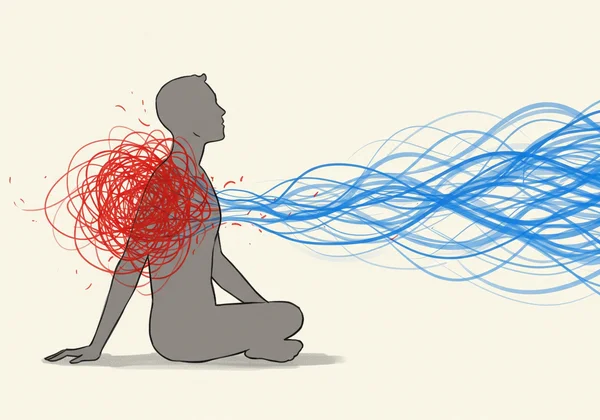
When a trigger is hit, your body's stress response activates instantly. The most immediate way to counteract this is to create a pause between the trigger and your reaction. Take a slow, deep breath, hold it for a few seconds, and exhale slowly. This simple act of deep breathing activates your parasympathetic nervous system, which calms your body down. This moment of pause gives your rational brain time to catch up and choose a response rather than letting instinct take over.
Technique 2: Cognitive Restructuring (Changing Your Thoughts)
Anger is often fueled by distorted thinking patterns, such as jumping to conclusions or viewing things in black-and-white terms. Cognitive restructuring is the practice of challenging and changing these unhelpful thoughts. When you feel anger rising, ask yourself: "Is there another way to look at this situation?" or "Am I assuming the worst?" Replacing a thought like "They did that on purpose to disrespect me" with "They might be having a bad day and didn't realize how their actions would affect me" can defuse your anger significantly.
Technique 3: Assertive Communication Skills
Many anger triggers stem from feeling unheard or having your needs ignored. Assertive communication is a healthy way to express your feelings and needs clearly and respectfully, without being aggressive or passive. Use "I" statements to convey your perspective without blaming others. For example, instead of saying, "You never listen to me," try, "I feel hurt and ignored when I'm interrupted." This approach fosters dialogue rather than conflict.
Technique 4: Setting Healthy Boundaries
If certain people or situations consistently trigger your anger, you may need to establish stronger boundaries. Setting healthy boundaries means deciding what behavior you will and will not accept from others. This could mean limiting contact with a toxic relative, saying "no" to extra work when you're already overloaded, or leaving a conversation that becomes disrespectful. Boundaries are not about punishing others; they are about protecting your own well-being.
Technique 5: Stress Reduction Habits
Your overall stress level directly impacts how easily you are triggered. When you are already stressed, your tolerance for frustration is much lower. Incorporating daily stress reduction habits can make a huge difference. This includes getting regular exercise, ensuring you have enough sleep, practicing mindfulness or meditation, and making time for hobbies you enjoy. These activities build your emotional resilience, making you less vulnerable to your triggers. An anger control test can help pinpoint if general stress is a major contributor to your anger.

Your Path to Emotional Control Starts Now
Understanding, identifying, and managing your anger triggers is a journey, not a destination. It's about empowering yourself with the knowledge and tools to respond to life's challenges with intention rather than instinct. By recognizing what pushes your buttons, you reclaim your power and open the door to healthier relationships, reduced stress, and greater emotional well-being.
This process begins with a single step: the decision to understand yourself better. You have the capacity to change your patterns and build a more peaceful and controlled emotional life.
Ready to uncover your unique anger patterns and take the first step? Take our free, scientifically-backed Anger Test to get a personalized analysis of your triggers and tendencies.
Frequently Asked Questions About Anger
What are the common signs of anger issues?
Common signs of anger issues extend beyond just feeling angry. They can include persistent irritability, physical symptoms like headaches or high blood pressure, trouble in relationships, frequent arguments, feeling overwhelmed by rage, and reacting in ways that are disproportionate to the situation. If you recognize several of these signs in yourself, taking an anger assessment test can be a helpful first step in evaluating your patterns.
Why do I get angry for no reason?
Feeling angry for what seems like "no reason" is a common experience, but there is almost always an underlying cause. This feeling can stem from accumulated stress, physical factors like lack of sleep or hunger, or subconscious triggers you aren't yet aware of. An old memory or a fleeting negative thought can activate your anger response without you consciously connecting the two.
Can an online anger test identify my triggers?
While an online test cannot read your mind, a well-designed, multidimensional anger test can be incredibly effective at identifying your trigger patterns. By analyzing your responses to a wide range of scenarios, it can highlight themes you are most sensitive to, such as perceived injustice, frustration, or disrespect. It provides a structured, objective overview that serves as an excellent roadmap for your self-exploration, pointing you toward the areas that need the most attention. Find out more by taking our free anger test.