Chronic Anger & Health: Take Our Free Anger Test Online
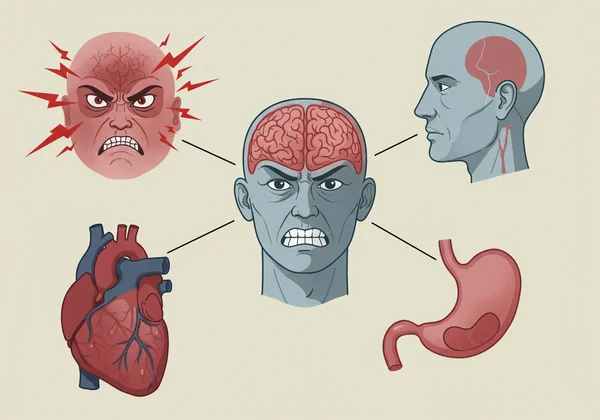
Do you ever struggle with unexplained headaches, persistent stomach issues, or a feeling of constant fatigue? These could be more than just daily annoyances; they might be silent alarms from your body signaling the presence of chronic anger. Many of us overlook the profound, often hidden, ways that unresolved anger impacts our physical health. Understanding this connection is the first critical step toward reclaiming your well-being. If you've ever asked yourself, why am I so angry?, exploring the physical clues might provide the answer. This article will reveal the physiological toll of persistent anger and guide you toward understanding your emotional patterns through a simple anger test.
The Effects of Anger on Health: A Physiological Toll
When anger becomes a constant companion rather than a fleeting visitor, it sets off a chain reaction inside your body. This isn't just a feeling; it's a powerful physiological event that, over time, can wear down your body's natural defenses. Recognizing the internal mechanisms at play is crucial to understanding the long-term risks. Gaining insight into your emotional responses is a proactive step toward better health, and a multidimensional anger test can be an excellent starting point.
The Stress Response: Adrenaline, Cortisol, and Your Body
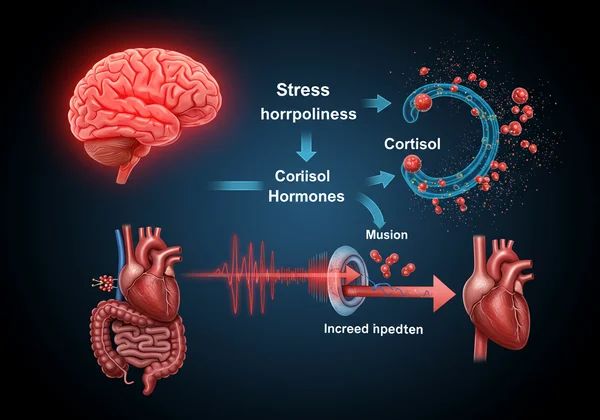
Every time you feel a surge of anger, your brain triggers the "fight-or-flight" response. This ancient survival mechanism floods your body with stress hormones like adrenaline and cortisol. Your heart rate increases, your blood pressure rises, and your muscles tense up, preparing you for a perceived threat. While this is helpful for escaping immediate danger, a state of chronic anger keeps this system on high alert, continuously bathing your organs in stress hormones they were never meant to endure long-term.
Beyond the Moment: Chronic vs. Acute Anger's Impact
Acute anger—a brief, intense flash of frustration that resolves quickly—is a normal part of the human experience. The real danger lies in chronic anger, which is a prolonged state of resentment, hostility, or irritation. When your body's stress response system is constantly activated, it doesn't have a chance to reset. This sustained internal pressure is what leads to significant wear and tear, eventually manifesting as tangible physical health problems that can impact your daily life.
7 Ways Chronic Anger Is Harming Your Physical Health
The invisible weight of long-term anger eventually shows up in very visible ways. From your heart to your skin, no system is immune to its effects. Here are seven of the most significant ways chronic anger can damage your physical health. If these resonate with you, it may be time to consider an anger assessment test to better understand your triggers.
Heart Health Risks: Anger and High Blood Pressure
One of the most well-documented effects of chronic anger is its impact on cardiovascular health. Each angry outburst causes a spike in your heart rate and blood pressure. When this happens repeatedly over months or years, it can lead to hypertension, putting constant strain on your arteries. This damage increases your risk of heart attack and stroke, making anger management not just an emotional goal, but a critical component of heart health.
Weakened Defenses: Your Immune System Under Attack
Constantly elevated levels of the stress hormone cortisol can suppress your immune system. A weakened immune response makes you more susceptible to frequent colds, infections, and other illnesses. If you find yourself getting sick more often than others, your underlying emotional state could be a contributing factor. Chronic anger essentially leaves your body's front-line defenses compromised and vulnerable.
Digestive Distress: The Gut-Brain Connection
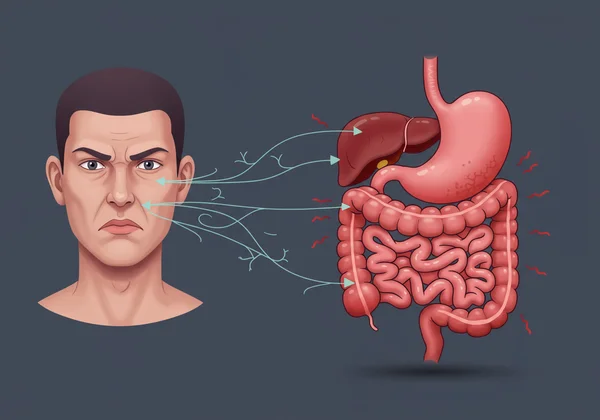
Have you ever felt "sick to your stomach" with anger? That's the gut-brain connection in action. The stress response diverts blood away from your digestive system, which can disrupt normal function and lead to issues like indigestion, acid reflux, stomach cramps, and even exacerbate conditions like Irritable Bowel Syndrome (IBS). Your gut is highly sensitive to your emotional state, and chronic anger can wreak havoc on its delicate balance.
Sleep Disturbances: Restless Nights, Angry Days
Anger is an activating emotion, making it incredibly difficult to relax and fall asleep. If you go to bed ruminating on resentments or frustrations, your mind remains on high alert. This can lead to sleep disturbances, including difficulty falling asleep, staying asleep, or experiencing poor-quality rest. This creates a vicious cycle: lack of sleep lowers your tolerance for frustration, making you more prone to anger the next day.
Chronic Pain & Tension: Headaches, Backaches, and Jaw Clenching
When you're angry, your muscles tense up. If you're angry often, this tension becomes chronic. This sustained muscle contraction is a common cause of tension headaches, migraines, chronic back pain, and neck stiffness. Many people who experience chronic anger also unconsciously clench their jaw or grind their teeth (bruxism), leading to jaw pain and dental problems. This constant state of muscle tension can be both a symptom and a source of daily discomfort.

Accelerated Aging: Stress, Cells, and Longevity
Emerging research suggests that chronic stress and hostility can even accelerate the aging process at a cellular level. High levels of stress hormones may shorten telomeres, the protective caps at the ends of our chromosomes. Shorter telomeres are associated with a shorter lifespan and an increased risk of age-related diseases. In essence, unresolved anger could be making you age faster from the inside out.
Skin Conditions: The Visible Signs of Inner Turmoil
Your skin is often a mirror of your internal state. The inflammation caused by the body's chronic stress response can trigger or worsen various skin conditions. Eczema, psoriasis, and acne flare-ups are frequently linked to periods of high stress and intense emotion, including anger. These visible symptoms can serve as an external indicator of the turmoil happening within.
Stress and Health: Recognizing When to Act on Anger's Toll
Understanding the link between your emotions and physical symptoms is empowering. It transforms vague health complaints into actionable signals that something deeper needs attention. The key is to stop ignoring these signals and start listening to what your body is trying to tell you. If you recognize yourself in the symptoms described, it is a clear sign to take action for your long-term stress and health.
Connecting the Dots: Is Your Anger Behind Your Physical Symptoms?
Take a moment for honest self-reflection. Do your headaches seem to appear after a frustrating day at work? Does your stomach act up during family conflicts? Start tracking your physical symptoms alongside your emotional state. Recognizing these patterns is the first step toward breaking the cycle. This awareness is crucial before you can begin to make meaningful changes. The journey to wellness starts with understanding, which you can begin with a free anger test.

Your First Step to Well-being: Understanding Your Anger Patterns
You cannot manage what you do not understand. The most effective first step toward protecting your health is to gain clear insight into your unique anger patterns. A scientifically-backed assessment can help you identify your triggers, understand the intensity of your anger, and recognize how you typically express it. This knowledge provides a foundation for developing healthier coping strategies. Start your self-discovery today.
Reclaiming Your Health: A Journey of Emotional Well-being
The profound connection between chronic anger and your physical health is undeniable. It's a silent force that can wear down your body, impacting everything from your heart to your immune system. But recognizing this link isn't a cause for despair; it's an invitation to empowerment. Understanding your emotional landscape is the most crucial step on your journey to lasting well-being.
By understanding the connection between your mind and body, you can begin to take control. Don't wait for the physical symptoms to become more severe. Take a proactive step today to understand your emotional landscape. We invite you to take our free test to gain valuable, science-backed insights into your anger patterns. It’s a simple, confidential, and empowering step on the path to a healthier, more balanced life.
Common Questions About Anger, Health, & Self-Assessment
What are the main signs of anger issues I should look for?
Signs of anger issues can be emotional, behavioral, and physical. Emotionally, you might feel constantly irritated, resentful, or impatient. Behaviorally, this can manifest as frequent arguments, yelling, sarcasm, or withdrawing from others. Physically, as this article highlights, you may experience headaches, digestive problems, high blood pressure, and muscle tension. An online anger test can help you see how these signs connect in your own life.
Can an anger test help identify my physical health risks?
While an anger test is not a medical diagnostic tool, it can be an incredibly valuable indicator of potential health risks. By assessing the frequency, intensity, and duration of your anger, the test helps you understand if you are in a state of chronic emotional stress. Recognizing this pattern is the first step in connecting your emotional state to physical symptoms and motivating you to seek further professional medical advice if needed.
If I have physical symptoms from anger, what should I do first?
The first step is twofold. First, consult a healthcare professional to rule out other medical causes for your physical symptoms and get appropriate treatment. Second, begin exploring the emotional root of the issue. A great starting point is taking a confidential anger issues test to gain objective insight into your emotional patterns. This self-awareness is key to developing healthier coping mechanisms.
How can I start to control my anger to protect my health?
Controlling your anger begins with understanding it. Once you've identified your triggers through self-reflection or an assessment, you can begin practicing management techniques. These include deep-breathing exercises, mindfulness, physical activity to burn off stress, and learning assertive communication skills. The goal isn't to suppress anger but to express it in a healthier, less damaging way.
Is our assessment a scientifically-backed anger test?
Yes, the assessment on this site is a scientifically-backed anger test. It is designed based on established psychological principles and models to provide meaningful, multi-dimensional insights into your anger. It evaluates factors like frequency, intensity, triggers, and expression styles to give you a comprehensive understanding of your personal anger profile, serving as a reliable first step in your self-discovery journey.