Cultural Anger Expression Tests: How Your Background Shapes Results
Have you ever wondered why some people shout when they are upset while others become very quiet? Anger is a universal human emotion, but your background deeply shapes how you show it. Many people take an online quiz and wonder if the score really represents who they are.
To understand your emotions, you must look at both your internal feelings and your external environment. A standard assessment provides a great starting point, but your cultural heritage influences how you process frustration. To get a better sense of your own patterns, you can start your test today and begin your journey toward self-discovery.
This guide explores how culture influences your behavior. You will learn to interpret your results through a personal, culturally aware lens to ensure you get the most accurate insights possible.
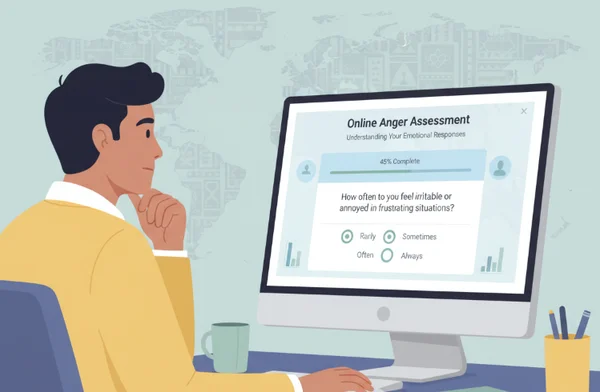
Understanding Cultural Anger Norms Across Societies
Culture acts like a set of unwritten rules. These rules define what is "normal" or "polite" when you feel mistreated. What looks like a healthy expression of feelings in one country might look like an aggressive outburst in another. To truly understand your behavior, look at the norms of the society where you grew up or currently live.
Direct vs. Indirect Anger Expression Styles
In many Western societies, such as the United States or Germany, "direct" expression is often encouraged. You are taught to "speak your mind" and "be assertive." In these cultures, showing anger can sometimes be seen as a sign of honesty or strength. If you are unhappy with a service, you might complain loudly and expect a quick resolution.
However, in many East Asian or Middle Eastern cultures, "indirect" expression is more common. Here, the focus is often on harmony and "saving face." Instead of shouting, you might use silence, subtle body language, or a change in tone to show you are upset. In these contexts, a loud outburst is often seen as a loss of self-control. Understanding these differences is a key part of any anger assessment test.
Social Hierarchies and Power Distance in Anger Expression
Social hierarchy also dictates who is "allowed" to be angry. In "high power distance" cultures, a clear gap exists between those in authority and those who are not. In these societies, a boss might express anger toward an employee quite openly. However, the employee is expected to remain calm and respectful.
In "low power distance" cultures, the gap is smaller. People expect more equality in how they share emotions. If you grew up in a strict hierarchy, you might have learned to suppress your anger entirely when dealing with authority figures. This doesn't mean you aren't angry. It means your culture taught you a specific way to survive and succeed within that system.
How Your Anger Test Results Might Be Misinterpreted Without Cultural Context
Standard tests often feature questions designed with a specific cultural bias. If a test asks, "How often do you raise your voice?", and your culture forbids it, you might score very low on the "intensity" scale. However, you might still experience high levels of internal stress. This is why we must look for potential bias in any assessment.
The Individualism-Collectivism Divide in Anger Assessment
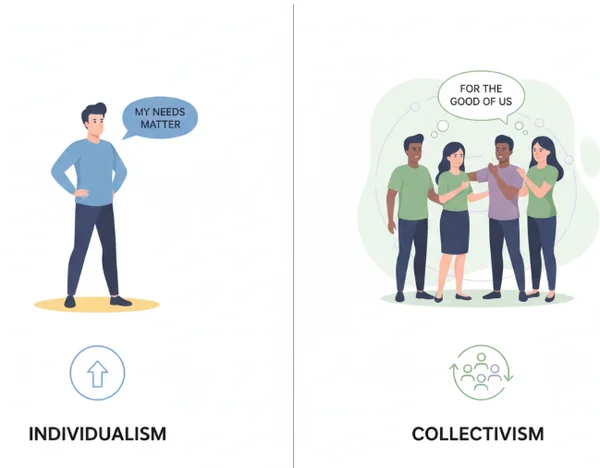
The divide between individualism and collectivism is one of the biggest factors in emotional health. Individualistic cultures focus on the "I." If you are angry because your personal goals are blocked, your feelings are seen as valid. You are encouraged to fix the problem for yourself.
Collectivist cultures focus on the "We." In these societies, anger is often seen as a threat to the group. If your anger might upset your family or your coworkers, you are more likely to push that feeling down. Psychology Today notes that these "display rules" govern how we manage our outward appearance during emotional moments. A standard free anger test might flag someone from a collectivist culture as "repressed." In reality, they are simply practicing a highly valued social skill.
Socioeconomic Factors as Hidden Anger Triggers
We cannot talk about culture without talking about the environment. Your daily life—your job, your safety, and your finances—creates a baseline for your emotions. Daily pressures like bills, unsafe neighborhoods, or unstable jobs can shorten your fuse – you’re not ‘angrier,’ you’re human.
Financial stress or job insecurity can raise your anger "baseline." What feels like a minor inconvenience to others might overwhelm you. You are not "angrier" as a person; you are responding to a difficult environment. When you see your results, consider how your current life situation adds pressure to your emotional state.
Practical Framework for Culturally-Aware Anger Management
Once you have your results, make them work for your specific life. Anger management is not "one size fits all." What works for a student in London might not work for a parent in Tokyo. You need a framework that respects your heritage while helping you find peace.
Adapting Test Insights to Your Cultural Context
Start by asking: "Do these results reflect my true feelings? Or did my culture teach me to hide anger?" If your score says you have "low outward expression," ask yourself if that is because you aren't angry, or because you were taught that showing it is shameful.
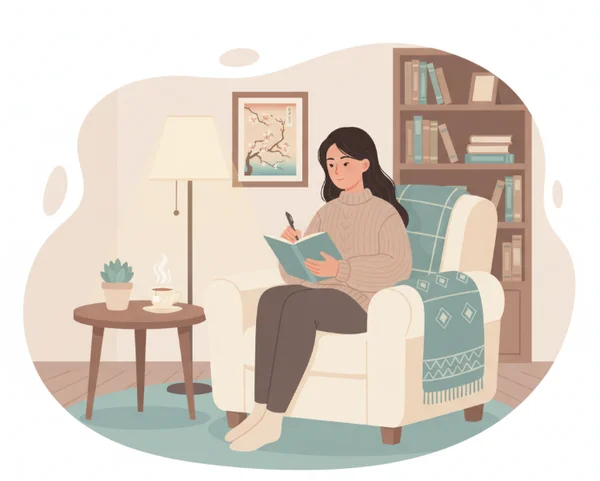
If your culture discourages expression, you may need to find private ways to process your feelings. This could include journaling, exercise, or talking to a trusted friend in a safe space. The goal is not to change your culture, but to find a healthy way to exist within it. To get started on this path of self-reflection, use our tool to identify your primary triggers.
Creating Culturally-Sensitive Anger Response Strategies
A culturally sensitive strategy means finding a middle ground. You want to honor your values while also protecting your mental health. Consider a case study of a professional working in a high-harmony environment: by using "modified assertiveness," they expressed needs clearly without being aggressive.
You don't have to shout to be heard. You can say, "I feel very stressed about this situation, and I would like to discuss a solution." This respects the cultural need for harmony while addressing the root cause of your frustration. Many people find that after they try the test, they feel more empowered to have these difficult conversations.
Navigating Your Path to Emotional Clarity
Understanding anger is about more than just numbers on a screen. It involves understanding the history, values, and environment that made you who you are today. By recognizing the impact of your culture, you can move from feeling confused by your emotions to feeling in control of them.
Standard tests are excellent tools, but they work best when combined with your own personal wisdom. Remember that your anger is a signal—it tells you when something feels unfair or wrong. How you choose to respond to that signal is where your true power lies.
Take the first step toward emotional clarity by visiting our homepage. You can take a free scientific anger test that provides deep insights into your patterns and triggers. Use your results as a map to navigate your emotions with more confidence and cultural intelligence.
The Takeaway
Do standardized anger tests account for cultural differences?
Most standardized tests are developed based on Western psychological models. While they are scientifically backed and very useful, they may not always capture the nuances of non-Western emotional styles. For a culturally sensitive assessment, explore our scientifically-backed anger test. Consider your results as a professional guide rather than a final judgment on your character.
How can I tell if my anger response is culturally influenced?
A great way to tell is to compare your reactions to those of people around you. Do your family members and friends react in a similar way? If most people in your community express frustration through silence or withdrawal, your response is likely culturally influenced. Understanding these patterns is a major part of the online anger test experience, as it helps you see the "why" behind your behavior.
Does my socioeconomic background affect my anger triggers?
Yes, absolutely. Daily pressures like financial worry, neighborhood safety, and job security act as significant triggers. These factors can lower your "patience threshold," making you more likely to feel angry over small things. If you are going through a tough time, be kind to yourself. You can check your levels to see how these external pressures impact your internal peace.