Daily Anger Management: 5 Micro-Techniques for Sustainable Control | Anger Test Insights
Feeling overwhelmed by anger but can't find time for extensive anger management techniques? You're not alone. For busy professionals juggling careers, families, and personal lives, traditional approaches often feel like another impossible task. What if effective anger control could be integrated into your existing daily routines with just minutes a day?
In this guide, we'll explore practical micro-techniques that fit seamlessly into your busy schedule. These small, consistent actions can help you build sustainable anger management habits that work with your lifestyle, not against it. The first step is understanding your unique anger profile. A scientifically-backed anger test can provide the personalized insights you need to get started.
Understanding Micro-Practices for Anger Management
The idea of "micro-practices" might sound simple, but its power lies in consistency. Instead of setting aside an hour for meditation or therapy, you integrate small, targeted actions into moments you already have. This approach makes daily anger management less of a chore and more of a natural, sustainable habit.
The Science Behind Habit Formation and Anger Control
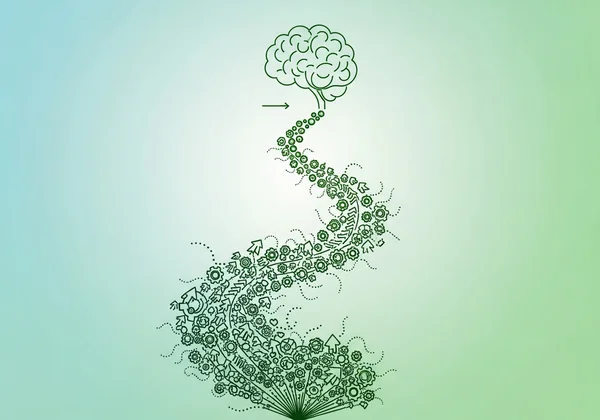
Our brains are wired to form habits through repetition. When we consistently perform a small action in response to a specific cue, we create a strong neural pathway. This is known as "habit looping." Applying this to anger control means we can train our brains to default to a calm, controlled response instead of an explosive one.
For example, when you feel a surge of frustration (the cue), you can practice a one-minute breathing exercise (the action). Over time, this conscious choice becomes an automatic response, helping you manage anger before it escalates. These tiny, repeated actions are more effective long-term than infrequent, grand gestures.
Why Traditional Anger Management Fails for Busy Professionals
Many traditional anger management programs demand significant time commitments—weekly classes, lengthy journaling sessions, or complex relaxation exercises. For a busy professional, finding an extra hour in the day is often unrealistic. This can lead to feelings of failure and frustration, ironically worsening the problem.
Micro-practices are different. They don't require you to overhaul your schedule. Instead, they leverage the small pockets of time that already exist in your day, like your morning coffee routine or your commute. This makes building sustainable anger control a realistic goal, not just another source of stress.
Micro-Anger Techniques for Your Morning Routine
How you start your day often sets the tone for the hours that follow. Integrating small anger management practices into your morning can build a foundation of emotional resilience before stress even begins.
The 60-Second Breathing Reset
Before you even check your phone or dive into emails, take just one minute for yourself. This simple technique can lower your stress hormone levels and center your mind for the day ahead.
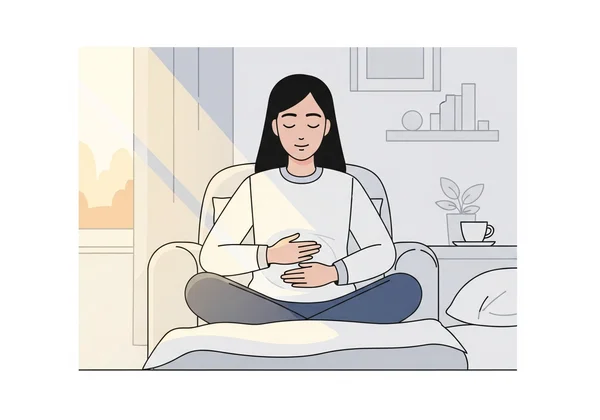
- Find a quiet spot: Sit comfortably in a chair or on your bed.
- Close your eyes: Gently shut your eyes and place one hand on your stomach.
- Inhale deeply: Breathe in slowly through your nose for four seconds, feeling your stomach expand.
- Hold your breath: Hold it for four seconds.
- Exhale slowly: Breathe out slowly through your mouth for six seconds, feeling your stomach contract.
- Repeat: Continue this cycle for 60 seconds.
This quick reset helps activate your body's relaxation response, making you less reactive to frustrations throughout the day.
Intention-Setting for Emotional Awareness
While your coffee brews or you're getting dressed, take a moment to set an emotional intention for the day. This isn't about suppressing anger but about deciding how you want to respond to it.
Ask yourself a simple question: "How do I want to handle challenges today?" Your intention could be something like, "Today, I will pause before I react," or "I will approach frustrating situations with curiosity." Stating this intention helps prime your brain to be more mindful and proactive in managing your emotional responses.
Embedding Anger Control in Work and Commute Routines
The workday and commute are often major sources of stress and anger triggers. By embedding micro-practices into these high-pressure moments, you can transform them into opportunities for growth.
The Traffic and Transit Timeout
Getting stuck in traffic or dealing with a crowded train can easily trigger anger. Instead of fuming, use this time as a planned pause.
When you hit a red light or your train stops, consciously relax your grip on the steering wheel or your phone. Take three deep, slow breaths. Notice the tension in your shoulders and jaw, and intentionally release it on each exhale. This small act turns a moment of frustration into a moment of mindfulness, preventing anger from building up.

Email and Meeting Mindfulness Cues
Workplace interactions, especially stressful emails or meetings, are common anger triggers. You can use these events as cues for a quick mental reset.
Before opening a difficult email or joining a tense meeting, take a moment to ground yourself. Plant your feet firmly on the floor. Take one deep breath. Remind yourself of your intention for the day. This simple, invisible action creates a buffer between the trigger and your reaction, giving you the space to respond thoughtfully instead of impulsively. Understanding your specific workplace triggers is key, and an online anger test can help identify them.
Evening Practices to Process and Reset
Your evening routine is the perfect time to process the day's events and prepare for a restful night. This helps prevent unresolved anger from carrying over into the next day.
The 5-Minute Reflection Technique
Before you wind down for the night, take just five minutes to reflect on your day. You don't need a journal; you can do this mentally while brushing your teeth or getting into bed.
Ask yourself two simple questions:
- "When did I feel frustrated or angry today?" Acknowledge the moment without judgment.
- "What could I do differently next time?" This isn't about blaming yourself. It's about identifying opportunities for a different response in the future.
This brief reflection builds self-awareness, a cornerstone of effective anger management. It helps you recognize patterns and develop more constructive habits over time.

Creating Tomorrow's Anger Prevention Plan
Based on your 5-minute reflection, create a simple plan for the next day. If you know you have a stressful meeting scheduled, decide which micro-technique you'll use beforehand. If you noticed that skipping lunch made you irritable, plan to protect your lunch break.
This forward-thinking approach is proactive rather than reactive. It empowers you to anticipate and prepare for potential triggers, giving you a greater sense of control over your emotional state. To create a truly effective plan, you need to know your triggers. Discovering them is a primary goal of our free anger test.
Your Sustainable Anger Management Journey Starts Here
The beauty of micro-practices is that they don't require dramatic life changes. Instead, they fit seamlessly into your existing routine, creating sustainable growth without adding stress. They empower you to manage your emotions effectively, one moment at a time.
To truly manage your anger effectively, the first step is understanding your personal patterns—what triggers your anger and how you typically respond. Are your triggers related to work, relationships, or internal frustrations? Taking time to reflect on these questions can transform your approach to anger. Take our scientifically-backed anger assessment test to gain deep insights into your specific triggers and tendencies. Your journey toward calmer, more controlled emotions begins with clear self-awareness.
Frequently Asked Questions About Daily Anger Management
How long until I see results from micro-anger techniques?
Consistency is more important than intensity. While you may feel an immediate sense of calm after a breathing exercise, the long-term benefits come from regular practice. Most people notice a significant difference in their reactivity and emotional control within a few weeks of consistent daily practice.
What if I forget to practice my micro-techniques during busy days?
Don't worry or be hard on yourself. The goal is progress, not perfection. If you miss a morning practice, simply look for another opportunity later in the day, like during your commute or before bed. The key is to gently bring yourself back to your intention without judgment.
Can micro-practices replace professional anger management help?
Micro-practices are powerful tools for self-management and can significantly improve your daily emotional regulation. However, they are not a substitute for professional diagnosis or therapy, especially for severe anger issues. If your anger is causing significant problems in your life, it's important to consult a mental health professional. Our tool is a great first step for self-exploration; you can start your test to gain valuable personal insights.