Hidden Anger Test: Unmask Signs & Causes with Our Free Quiz
Do you often feel irritable but can't quite explain why? Maybe you find yourself using sarcasm more than you'd like, or you feel a constant, low-level resentment simmering beneath the surface. If this sounds familiar, you might be dealing with repressed anger—a quiet but powerful emotion that can impact your health, relationships, and overall well-being without you even realizing it.
But how do you know if hidden anger is affecting you? This article is designed to help you understand this complex emotion. We'll explore what repressed anger is, uncover its subtle signs, and discuss its common causes. Most importantly, we'll show you how a scientifically-backed assessment can provide the clarity you need to start your journey toward better emotional understanding. Taking a free anger test is an excellent first step.

What is Repressed Anger? Understanding Passive-Aggressive Expressions
Repressed anger isn't the explosive outburst you might see in a movie. It’s the anger you push down, ignore, or don't even consciously acknowledge. Instead of being expressed openly and constructively, it leaks out in indirect and often confusing ways. This is the root of many passive-aggressive behaviors that can strain relationships and leave you feeling stuck.
The Psychology Behind Unexpressed Rage
From a young age, many of us are taught that anger is a "bad" or unacceptable emotion. We might have been told to "be nice," "calm down," or stop being so dramatic. As a result, we learn to suppress our frustration to avoid conflict, judgment, or punishment.
Suppression doesn't erase anger. It buries it in your subconscious. There, it still shapes your thoughts, feelings, and actions. This unexpressed rage can manifest as anxiety, depression, or a general sense of unhappiness that you can’t seem to shake. It’s your mind’s way of holding onto a powerful emotion that never had a healthy outlet.
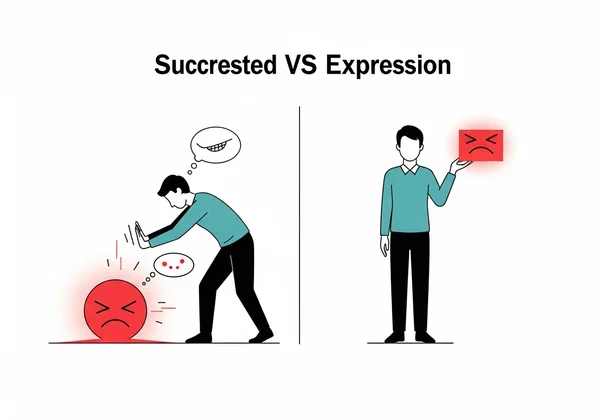
How Repressed Anger Differs from Other Types
Understanding anger is easier when you see how its different forms compare. Repressed anger stands in stark contrast to other types of emotional expression.
- Explosive Anger: This is the most visible form of anger. It involves yelling, shouting, and other aggressive outbursts. While it's an open expression, it's often uncontrolled and damaging.
- Assertive Anger: This is the healthiest form of expression. It involves acknowledging your feelings of anger and communicating them calmly, respectfully, and constructively to resolve a problem.
- Repressed Anger: This is the opposite of assertive anger. Instead of addressing the issue, you internalize it. This leads to passive-aggressive behaviors, where your frustration comes out sideways through actions like giving someone the silent treatment, making sarcastic comments, or procrastinating on tasks.
7 Subtle Signs You Have Hidden Anger Issues
Because repressed anger is so quiet, its signs can be hard to spot. You might dismiss them as personality quirks or stress. However, recognizing these patterns is the first step toward addressing the root cause. Here are seven subtle signs you may be dealing with hidden anger issues.
1. Physical Symptoms of Suppressed Emotions
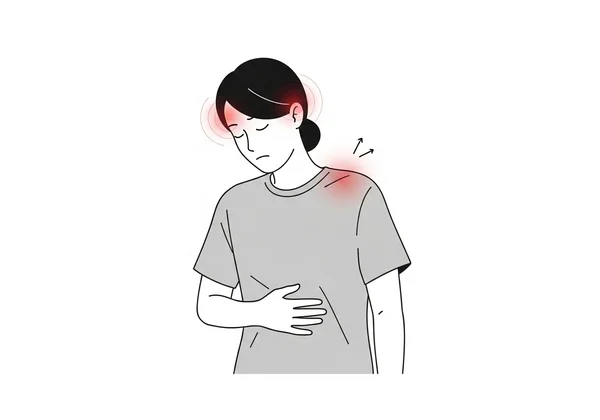
Your body often keeps score of the emotions your mind tries to hide. Unexplained physical ailments can be a major red flag for suppressed anger. When you constantly hold back strong feelings, the stress can manifest physically.
Common symptoms include:
-
Chronic headaches or migraines
-
Jaw clenching or teeth grinding (bruxism), especially at night
-
Unexplained muscle tension, particularly in the neck and shoulders
-
Digestive issues like stomach cramps or irritable bowel syndrome (IBS)
-
Constant fatigue that sleep doesn't seem to fix
2. Behavioral Patterns: Sarcasm, Procrastination, and More
When you can't express anger directly, it finds other ways to get out. This often results in passive-aggressive behavior, which can be confusing and frustrating for both you and the people around you.
Look out for these common patterns:
- Constant Sarcasm: Using biting humor or cynical remarks to indirectly express displeasure.
- Procrastination: Consistently putting off tasks, especially those requested by others, as a non-confrontational way of resisting.
- The Silent Treatment: Withdrawing and refusing to communicate as a way to punish someone without a direct confrontation.
- Chronic Lateness: A subtle but consistent way of showing disrespect or asserting control.
- "Forgetting" Important Things: Conveniently forgetting promises or tasks that you didn't want to do in the first place.
3. The Impact on Relationships and Self-Esteem
Repressed anger creates an invisible wall between you and others. Your loved ones sense something's off. But they can't pinpoint it. This creates confusion and emotional distance, which can damage trust and intimacy in your closest relationships.
Internally, holding onto anger can erode your self-esteem. You might feel a constant sense of guilt or shame without knowing why. You may also become highly self-critical, turning your unexpressed anger inward. If you’re questioning your emotional patterns, a hidden anger assessment can provide valuable insights.
Common Causes of Suppressed Anger
Understanding where your repressed anger comes from is key to learning how to manage it. For most people, the tendency to suppress anger is a learned behavior that stems from past experiences and social pressures.
Early Life Experiences and Upbringing
Your childhood environment plays a huge role in shaping how you handle emotions. Did you grow up where anger was forbidden or punished? Maybe a parent's outbursts made it scary. Either way, you probably learned to hide your feelings. You may have been taught that anger is dangerous or that "good" children don't get mad. This conditioning can stick with you long into adulthood, making it feel unnatural or wrong to acknowledge your own frustration.
Fear of Conflict and Social Conditioning
Many people suppress anger simply because they are afraid of conflict. They worry that expressing their feelings will lead to an argument, damage a relationship, or cause someone to reject them. This "people-pleasing" tendency often means prioritizing others' comfort over your own emotional needs. Society also sends mixed messages about anger, especially for different genders, reinforcing the idea that it's an emotion that should be controlled and hidden rather than understood and expressed healthily.
How Our Free Multidimensional Anger Test Reveals Repressed Anger
So, you recognize some of these signs in yourself. What's the next step? Gaining objective insight into your emotional patterns is crucial, and that's where a well-designed assessment tool can help. It moves you from guessing to understanding.
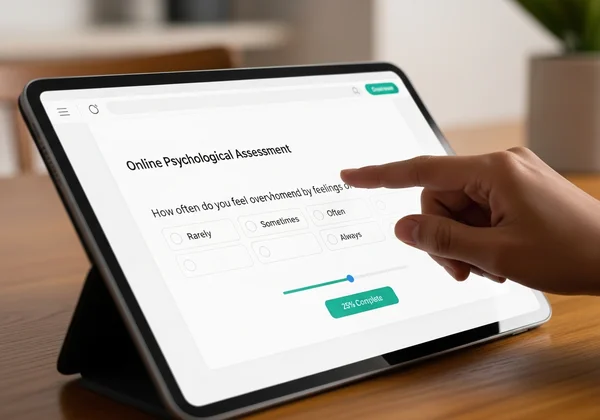
Our free online test is more than just a simple quiz. It’s a multidimensional tool designed to explore the different facets of your anger, including the subtle patterns associated with repression. A repressed anger signs test can be the key to unlocking self-awareness.
Exploring Your Unique Anger Patterns with Science
Our free multidimensional anger test is inspired by established psychological models of anger assessment. It doesn't just ask if you get angry; it delves into the how, why, and when. The questions are crafted to analyze several dimensions, such as:
- Frequency: How often do you feel irritated or resentful?
- Intensity: How strong are these feelings when they arise?
- Expression: How do you act on your anger? Do you express it outwardly, or do you turn it inward?
- Triggers: What situations or people tend to provoke these feelings?
By analyzing your responses across these areas, the test can help identify patterns that point toward suppressed anger, giving you a clearer picture of your emotional landscape.
Benefits of Identifying Your Hidden Anger
Bringing hidden anger into the light is a powerful and liberating experience. Once you understand your patterns, you can begin to address them constructively.
The benefits of taking this step include:
- Increased Self-Awareness: Finally understand the source of your unexplained irritability and anxiety.
- Improved Relationships: Learn to communicate your needs more directly and authentically, reducing passive-aggressive friction.
- Better Physical Health: Alleviating chronic stress can lead to a reduction in physical symptoms like headaches and fatigue.
- Greater Emotional Control: Awareness is the first step toward developing healthier coping mechanisms for frustration and anger.
Take the First Step: Discover Your Hidden Anger Today
Recognizing that you might be dealing with repressed anger is a sign of strength and self-awareness. You've already taken the first step by reading this article and seeking to understand yourself better. Hidden anger doesn't have to control your life, relationships, or health. By unmasking its signs and understanding its causes, you can begin to reclaim your emotional well-being.
The journey starts with a single, simple action: gaining clarity. Are you ready to see what's beneath the surface? Start your test now and discover the insights you need to move forward.
Frequently Asked Questions About Hidden Anger & Assessments
Do I have anger issues if I always suppress my feelings?
Not necessarily, but it can be a strong indicator. Suppressing feelings occasionally is normal. However, if it's your default coping mechanism and leads to negative outcomes like passive-aggressive behavior, strained relationships, or physical symptoms, it's a sign that your approach to anger may be unhealthy. An assessment can help you see how your patterns compare to established psychological metrics.
Can an online anger test truly diagnose repressed anger?
Let's be upfront: this online test is for self-reflection, not a doctor's diagnosis. Tools like our scientifically-backed anger test are designed to provide valuable insights and increase your self-awareness based on scientific principles. They can help you identify patterns that suggest you may have issues with repressed anger. If it resonates, chat with a therapist for the full picture. An online anger test is a great starting point for that conversation.
Why am I so angry, but I don't show it?
This is the core dilemma of repressed anger. The cause is often rooted in your past experiences and beliefs. You may have learned that expressing anger is unsafe, unacceptable, or selfish. This creates an internal conflict where you feel the emotion intensely but have a powerful, often subconscious, mechanism that prevents you from showing it directly.
What are the long-term effects of hidden anger on my health?
The long-term effects can be significant. Unmanaged suppressed anger builds chronic stress. This can lead to high blood pressure, heart problems, and a weaker immune system. Mentally, it is strongly linked to anxiety, depression, and low self-esteem. Addressing hidden anger isn't just about feeling better emotionally; it's a crucial part of protecting your long-term physical and mental health.