Passive-Aggressive Anger: Test, Signs & Solutions
Have you ever felt frustrated but held it in, only for it to leak out through sarcasm, silent treatment, or "forgetting" to do something? This silent saboteur in relationships and workplaces—passive-aggressive anger—often goes unrecognized until it causes significant damage. If you've ever wondered why your indirect expressions of frustration create misunderstanding despite your intention to "keep the peace," this article is for you.
Understanding your unique anger style is the first step toward healthier communication. Many people don't realize their actions are rooted in hidden anger. A scientifically-backed framework can help you see these patterns clearly. To gain personalized insights into your own tendencies, you can start your test on our platform.

This guide will help you identify hidden anger patterns, understand how they develop, and explore healthier strategies. We will explore the common signs, the psychology behind this behavior, and practical ways to move toward more direct and effective communication.
Recognizing the Signs of Hidden Anger
Passive-aggressive anger is often hard to pinpoint. It's not a loud outburst but a quiet, indirect expression of negative feelings. Recognizing these behaviors in yourself and others is the first step toward addressing the root cause. This form of anger can be confusing for everyone involved, creating a cycle of misunderstanding and resentment.
Common Passive-Aggressive Behaviors in Daily Life
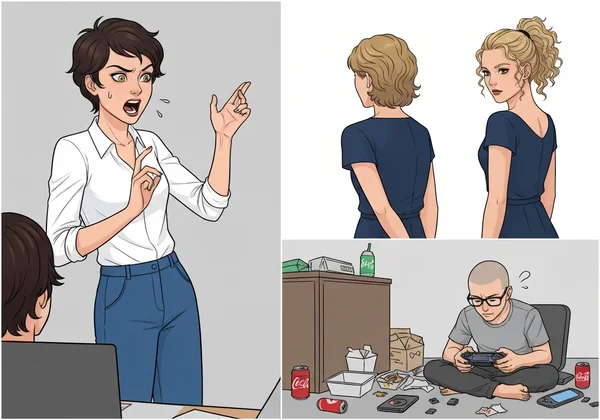
This type of anger can appear in subtle ways that you might dismiss or overlook. It's the gap between what someone says and what they do. Here are a few common examples:
-
Sarcasm and Backhanded Compliments: A comment that sounds like a compliment but has a hidden insult. For example, "I'm surprised you did so well on that project; you don't usually handle pressure well."
-
The Silent Treatment: Intentionally ignoring someone to punish them or show displeasure without saying a word. This creates an uncomfortable and tense atmosphere.
-
Procrastination and "Forgetting": Deliberately delaying or failing to complete tasks you've agreed to do, especially those requested by someone you're upset with.
-
Subtle Sabotage: Making small, indirect mistakes that disrupt a situation or inconvenience someone else, like "accidentally" deleting a shared file.
-
Playing the Victim: Acting hurt or resentful in response to a reasonable request, making the other person feel guilty for asking.
The Psychology Behind Indirect Anger Expression
Why do people resort to passive aggression instead of expressing anger directly? Often, it stems from a fear of direct conflict. Individuals who use passive-aggressive behaviors may have grown up in environments where expressing anger openly was discouraged or punished. They may believe that direct anger is "bad" or dangerous.
As a result, they suppress their true feelings. However, that anger doesn't just disappear. It builds up and seeks an outlet, emerging in these indirect and often confusing ways. This behavior becomes a defense mechanism—a way to exert control or express frustration without risking a direct confrontation.
Self-Assessment: Do You Display Passive-Aggressive Tendencies?
Take a moment for honest self-reflection. Do you recognize any of the behaviors above in yourself? Ask yourself these questions:
- Do I often say "I'm fine" when I'm actually upset?
- Do I use sarcasm to make a point when I'm annoyed?
- Have I deliberately avoided a task to get back at someone?
- Do I find it difficult to say "no" directly, so I agree and then don't follow through?
Answering "yes" to some of these doesn't necessarily mean you have a serious problem, but it does suggest a tendency toward passive-aggressive communication. Understanding your personal anger style is crucial. A multidimensional anger assessment test can provide clarity by analyzing your unique patterns of expression.
Understanding Covert Anger Expression Patterns
Covert anger, or hidden anger, isn't just a one-time behavior; it can become a deeply ingrained pattern. When passive aggression becomes your default response, it can have a significant negative impact on your mental health and your relationships. Understanding this cycle is key to breaking it.
The Cycle of Suppressed Anger and Its Impact
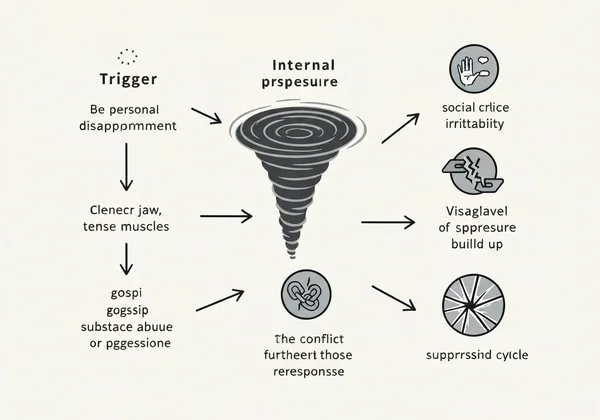
The passive-aggressive cycle often starts with an initial trigger—an event or comment that makes you angry. Instead of addressing it, you suppress the feeling. This suppressed anger doesn't vanish; it simmers beneath the surface, building pressure.
This pressure eventually leads to an indirect outburst, such as a sarcastic remark or a "forgotten" promise. While this might provide temporary relief, it doesn't resolve the original issue. In fact, it often makes the situation worse by creating confusion and mistrust. This can lead to more conflict, more suppressed anger, and a continuation of the cycle. Over time, this pattern can contribute to anxiety, depression, and feelings of isolation.
Cultural and Developmental Influences on Passive Aggression
Our environment plays a huge role in how we learn to express anger. Some families and cultures have unwritten rules that discourage open emotional expression, especially anger. Children who are told that "it's not nice to be angry" may learn to hide their frustration to gain approval.
In some professional or social settings, direct confrontation is seen as unprofessional or disruptive. This can also encourage passive-aggressive behavior as the only "safe" way to express discontent. Recognizing these influences helps you understand that this pattern is often a learned behavior, not a permanent personality trait. It’s a strategy you developed to cope, and new strategies can be learned.
When Passive-Aggression Becomes a Habitual Response
What begins as an occasional response can become a go-to habit. When you repeatedly avoid direct conflict, your brain learns that passive aggression is the path of least resistance. It becomes an automatic reaction, used even in situations where direct communication would be more effective.
When this happens, it can seriously damage relationships. Loved ones and colleagues may start to see you as unreliable, untrustworthy, or manipulative. They may not understand that your behavior comes from a place of suppressed anger and fear. Breaking this habit requires conscious effort and a commitment to learning new, healthier communication skills. The first step is acknowledging the pattern, which a comprehensive anger test can help you do.
Effective Anger Communication Techniques
Breaking the cycle of passive aggression involves replacing indirect behaviors with direct, healthy communication. The goal is not to eliminate anger—it's a normal human emotion—but to express it constructively. This involves learning assertiveness and practicing new ways to handle difficult conversations and manage your emotions.
Direct Expression Without Aggression: The Assertiveness Alternative
Assertiveness represents the healthy middle ground between passive and aggressive behavior. When you're assertive, you express your thoughts, feelings, and needs openly and respectfully. This approach doesn't aim to dominate or harm others, unlike both aggression and passive aggression. Most importantly, assertive communication is clear and direct.
An assertive approach might sound like: "I feel hurt when you make jokes about my work. I would appreciate it if you would stop." This statement clearly communicates the feeling (hurt), identifies the specific behavior, and states a need (for it to stop) without blame or sarcasm. Learning to communicate assertively empowers you to address conflicts directly and effectively.

Practical Exercises for Healthier Anger Expression
Changing old habits takes practice. Here are a few exercises you can try to build your assertiveness muscles:
- Use "I" Statements: Frame your feelings from your own perspective. Instead of saying "You always interrupt me," try "I feel frustrated when I'm interrupted because it makes me feel like my opinion isn't valued."
- Practice Saying "No": If you tend to agree to things you don't want to do, practice declining requests politely but firmly. Start with low-stakes situations. A simple "I'm sorry, but I can't commit to that right now" is enough.
- Rehearse Difficult Conversations: Before a tough talk, think about what you want to say. You can even write it down or practice with a trusted friend. This helps you stay calm and focused on your message.
- Identify Your Triggers: Pay attention to what makes you angry. Knowing your triggers helps you prepare for difficult situations or choose to avoid them if necessary. A free online anger test can offer deeper insights into your personal triggers.
Relationship Repair After Passive-Aggressive Patterns
If passive-aggressive behavior has already damaged your relationships, repair is possible, but it requires honesty and effort. The first step is to acknowledge your behavior and its impact on the other person. An apology can be very powerful.
For example, you could say: "I realize I haven't been direct about my feelings, and I'm sorry if my behavior has been confusing or hurtful. I'm working on being more open." This shows self-awareness and a commitment to change. Over time, consistently practicing assertive communication will help rebuild trust and create stronger, more honest connections. Exploring other anger management techniques can also support this process.
Moving Beyond Passive Aggression: Your Next Steps
Passive-aggressive anger often operates beneath the surface, creating silent tension in our relationships. While it may feel like a way to avoid confrontation, this indirect approach usually leads to more confusion and emotional distance than open communication ever would. By recognizing the signs, understanding the psychological roots, and learning assertive communication techniques, you can break free from this damaging cycle.
The journey starts with self-awareness. You cannot change a pattern until you can see it clearly. This article has given you the tools to start identifying these tendencies, but personalized insight is the key to real progress. Do you wonder how your unique background and personality shape your anger expression?
To take the next step on your path to self-discovery, consider exploring a scientifically-backed assessment. A detailed analysis can illuminate your specific patterns and provide a foundation for meaningful change. Ready to understand your anger on a deeper level? Try our free tool today and begin your journey toward healthier communication and stronger relationships.
Frequently Asked Questions About Passive-Aggressive Anger
How can I tell if my anger expression is passive-aggressive?
Look for a mismatch between your words and your actions. If you say you're fine but then give someone the silent treatment, procrastinate on a task they gave you, or make sarcastic remarks, you may be expressing anger passively. The core sign is indirect hostility instead of open conversation.
What causes people to develop passive-aggressive anger patterns?
These patterns often develop in childhood or in environments where expressing anger directly was discouraged, shamed, or punished. It becomes a learned coping mechanism to deal with frustration without risking direct conflict. Cultural norms and workplace dynamics can also contribute to this behavior.
Can an anger test help identify my specific anger expression style?
Yes, a well-designed, multidimensional anger test can be very helpful. It assesses various aspects of your anger, including how you express it. By answering questions about your typical reactions, you can receive insights that highlight tendencies toward passive aggression, helping you see patterns you might not have noticed. Our scientifically-backed test is designed for this purpose.
How is assertiveness different from passive-aggressive communication?
Assertiveness is about being clear, direct, and respectful. You state your needs and feelings honestly without blaming or attacking the other person. Passive-aggressive communication is indirect, unclear, and often manipulative. While both avoid open aggression, assertiveness resolves conflict while passive aggression prolongs it.
What's the first step in changing passive-aggressive behavior patterns?
The first and most crucial step is awareness. You must recognize and acknowledge that you are using these behaviors and understand the negative impact they have. Taking an objective look at your anger patterns, perhaps with the help of a tool like an anger issues test, provides the clarity needed to begin practicing new, healthier communication strategies.