Teen Anger Issues Test: Why Teens Get Angry & How to Cope
Feeling overwhelmed by anger as a teen? You're not alone. The teenage years can feel like an emotional rollercoaster, where frustration and rage seem to appear out of nowhere. This guide is here to explore why anger hits so hard during adolescence and offer practical ways to understand and manage it. If you've ever asked yourself, why am I so angry as a teen?, you're in the right place to find answers. Taking a teenage anger issues test can be a great first step, and understanding the "why" behind your feelings is just as important. For a clear starting point on your journey of self-discovery, try our free tool today.
Why Am I So Angry as a Teen? Understanding Your Rage
Anger in teenagers isn't just random moodiness; it's often a complex mix of biological, social, and psychological factors. Understanding these root causes can help both teens and parents approach the emotion with more empathy and less judgment. It’s the first step toward better emotional regulation.
The Teenage Brain: Hormones, Development, and Emotions
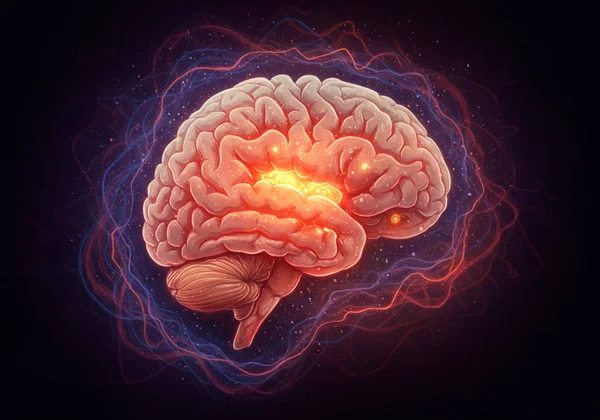
One of the biggest reasons for intense emotions during adolescence is brain development. The amygdala, the part of the brain responsible for immediate emotional reactions like fear and aggression, is fully developed in teens. However, the prefrontal cortex—the "CEO" of the brain that controls reasoning, impulse control, and long-term thinking—is still under construction until the mid-20s.
This mismatch means teens often feel emotions with the intensity of an adult but lack the fully developed cognitive tools to manage them. Add a surge of hormones like testosterone and estrogen, and you have a perfect storm for emotional outbursts. This isn't an excuse for poor behavior, but it's a critical piece of the puzzle in understanding adolescent development.
Social Pressures & Academic Stress: External Triggers
The teenage world is packed with pressure. From striving for good grades and planning for the future to navigating complex social hierarchies at school and on social media, the stress can be immense. When these pressures become overwhelming, anger is often a primary emotional response.
Social media, in particular, can be a major trigger. The constant comparison, fear of missing out (FOMO), and online conflicts can fuel feelings of inadequacy and frustration. Academic stress, bullying, and peer pressure are also significant contributors to a teen's emotional load, making effective stress management a crucial skill.
Identity and Independence: Internal Conflicts
A core task of being a teenager is figuring out who you are and where you fit in the world. This search for identity often involves pushing boundaries and challenging authority as a way to establish independence from parents. This natural, healthy process can create significant internal and external conflict.
Teens may feel angry when they perceive their freedom is being unfairly restricted or when they feel misunderstood by the adults in their lives. This anger is often a sign of a deeper struggle for autonomy and self-definition. Learning to navigate these internal conflicts is a key part of growing up.
Recognizing Teenage Anger Issues: Signs to Look For
While some anger is a normal part of being a teen, it's important to recognize when it might be escalating into a more significant problem. An anger problems test can provide valuable insights into your patterns. Looking out for specific signs can help determine if it’s time to seek more support.
Common Behaviors: What Does Teen Anger Look Like?
Identifying anger isn't always about shouting and slamming doors. While explosive outbursts are a clear sign, anger can manifest in many ways. Understanding the different forms of expression is key to providing the right support.
Common behaviors associated with teen anger include:
-
Increased irritability and frequent arguments with family and friends.
-
Sarcasm, cynicism, and a persistently negative attitude.
-
Physical aggression, such as punching walls, breaking things, or getting into fights.
-
Verbal aggression, including yelling, name-calling, and making threats.
-
Reckless behavior, like driving too fast or experimenting with substances.

Beyond the Surface: Hidden Signs of Deeper Issues
Sometimes, anger is turned inward or expressed in less obvious ways. These hidden signs can be just as damaging and often point to underlying emotional pain or mental health challenges. It’s important to look for subtle clues that suggest deeper issues.
Hidden signs of anger might include:
- Social withdrawal: Isolating from friends, family, and activities they once enjoyed.
- Self-harm: Using physical pain to cope with emotional turmoil.
- Passive-aggression: Using indirect methods to express anger, like giving the silent treatment or making subtle jabs.
- Symptoms of depression or anxiety: Anger is often a secondary emotion masking feelings of sadness, hurt, or fear.
Is It Normal Teen Moodiness or Something More?
This is a question many parents and teens struggle with. How can you tell the difference between typical adolescent mood swings and a genuine anger problem? The key factors to consider are frequency, intensity, and impact.
It might be more than moodiness if the anger:
- Is happening very frequently, almost daily.
- Is disproportionately intense for the situation that triggered it.
- Is causing significant problems at school, with friends, or at home.
- Is leading to dangerous or self-destructive behaviors.
If you're unsure where you or your teen stands, taking a scientifically-backed anger assessment test can offer a neutral, data-driven perspective. It’s a great way to start a conversation and gain clarity.
Effective Anger Management for Teens: Coping Strategies
Learning to manage anger is a skill, and like any skill, it takes practice. The goal isn't to eliminate anger—it's a valid and sometimes useful emotion—but to learn how to express it in a healthy and constructive way. Finding the right coping skills is essential for long-term emotional well-being. For more detailed strategies, consider reading our comprehensive guide on anger management techniques for teens.
Immediate Strategies to Calm Down: Quick Fixes for Intense Moments
When you feel anger boiling up, having go-to strategies to de-escalate can prevent you from saying or doing something you'll regret.
-
Take a Time-Out: Step away from the situation. Go to another room, take a walk, or just sit quietly for a few minutes.
-
Practice Deep Breathing: Inhale slowly for four counts, hold for four, and exhale for six. This activates your body's relaxation response.
-
Engage Your Senses: Listen to calming music, hold an ice cube, or smell a soothing scent like lavender. This grounds you in the present moment.

Building Emotional Resilience: Long-Term Skills for Self-Control
For lasting change, it's important to build skills that promote overall emotional health and resilience. These habits help you manage not just anger, but all of life's challenges.
- Get Regular Physical Activity: Exercise is a powerful way to burn off stress and anger.
- Ensure Enough Sleep: Lack of sleep shortens your fuse and makes you more susceptible to irritability.
- Practice Mindfulness or Meditation: These practices train your brain to be more aware of your emotions without immediately reacting to them.
- Keep an Anger Journal: Writing down what triggers your anger can help you identify patterns and find solutions.
Communication is Key: Expressing Anger Healthily
One of the most important aspects of anger management is learning effective communication skills. Instead of bottling up anger or letting it explode, find ways to express your feelings assertively and respectfully.
Use "I" statements to express your feelings without blaming others. For example, instead of saying, "You never listen to me," try, "I feel hurt and frustrated when I don't feel heard." This opens the door for productive conversation rather than a defensive argument.
Seeking Help for Angry Teens: When & Where to Find Support
Recognizing that you need help is a sign of strength, not weakness. There are many resources available to support teens and their families in navigating anger. If you're wondering what the next step is, there are several paths to consider.
Talking to Trusted Adults: Parents, Teachers, Counselors
The first line of support is often the adults already in your life. Talking to a parent, a trusted teacher, a school counselor, or another family member can be incredibly helpful. They can offer a different perspective, provide emotional support, and help you access other resources.
For parents, creating an open and non-judgmental space for your teen to talk is crucial. Listen more than you speak and validate their feelings, even if you don't agree with their behavior.
Online Resources & Professional Guidance
The internet offers a wealth of information and tools. Websites focused on mental health can provide articles, forums, and self-assessment tools. For example, a free and confidential online anger test can provide a structured way to understand your anger triggers and intensity. You can explore your anger patterns with our multidimensional quiz.
If anger is causing significant distress or disruption, seeking professional help from a therapist or counselor is a wise choice. They can provide personalized strategies and support tailored to your specific needs.
The Role of an Anger Test in Self-Discovery
Where does an anger test fit into this journey? It serves as an excellent starting point for self-discovery. A well-designed, scientifically-backed anger test helps you move from a vague feeling of "I'm always angry" to a more nuanced understanding of your emotional landscape.
It can help you identify:
- Frequency: How often you experience anger.
- Intensity: How strong your angry feelings are.
- Triggers: What specific situations or thoughts set you off.
- Expression Style: How you typically behave when you're angry.
This information empowers you to take targeted action. An anger management test isn't a diagnosis, but it is a powerful tool for increasing self-awareness, which is the first step toward change.
Taking Control: Your Path to Healthier Teen Anger
Navigating teenage anger is a journey, not a destination. It requires patience, self-compassion, and a willingness to learn new skills. By understanding the roots of your anger, recognizing the signs, and practicing healthy coping strategies, you can take control of your emotions and build a more peaceful and fulfilling life.
The path starts with a single step: self-awareness. If you're ready to better understand your anger, we invite you to take our free, confidential, and scientifically-inspired anger test. It’s a simple, insightful way to begin your journey toward emotional wellness. Start your self-discovery now and take control of your story.
Frequently Asked Questions About Teen Anger
How do I know if I have teenage anger issues?
You might have teenage anger issues if your anger feels uncontrollable, occurs frequently, is intense, and negatively impacts your relationships, schoolwork, or overall well-being. Pay attention to signs like constant irritability, aggressive behavior, and difficulty calming down. A great first step is taking an objective online quiz to see your patterns.
What exactly is an anger test for teens?
An anger test for teens is a self-assessment questionnaire designed to help you understand various dimensions of your anger. It measures factors like how often you get angry, how intense your anger is, what triggers it, and how you express it. Our free anger test provides a summary of your tendencies to promote self-awareness.
Why might teenagers feel so much anger?
Teenagers often feel intense anger due to a combination of rapid brain development (where emotions are high and impulse control is low), hormonal changes, and immense social and academic pressures. They are also navigating a critical period of identity formation, which can lead to conflict with authority figures as they seek independence.
What are the first steps to control anger as a teen?
The first steps are to recognize your triggers and learn immediate calming techniques, such as deep breathing or walking away from the situation. Taking an anger control test can help identify those triggers. Long-term, focusing on healthy communication, regular exercise, and getting enough sleep can make a huge difference.
Can an online anger test diagnose a mental health condition?
No, an online anger test cannot provide a medical diagnosis. It is an educational tool for self-reflection and insight. While it can highlight patterns that may be concerning, it is not a substitute for a professional evaluation by a doctor or mental health professional. If you are struggling, please consult a qualified expert.