Temper Tantrums in Adults: Signs, Causes, and Responses
Temper tantrums in adults can feel confusing, whether you experience one yourself or witness someone else's anger. A disagreement about chores, a stressful meeting, or an unexpected change can suddenly become an intense emotional moment. You might wonder whether it was ordinary frustration, an anger outburst, or something more complicated. These reactions can look similar, but they do not always have the same cause. This guide explains common signs, possible triggers, and the differences between tantrums and meltdowns. You'll also find practical steps for responding safely and understanding patterns over time. If you want a structured starting point, an online anger test can complement your own observations.

What Are Temper Tantrums in Adults?
An adult temper tantrum is an everyday description of an intense display of frustration, anger, or distress. It might involve shouting, crying, arguing, or struggling to pause a heated exchange. Unlike a formal clinical term, it does not identify a particular mental health condition.
Importantly, feeling angry is not the same as acting aggressively. You can experience strong anger without yelling or hurting anyone. Likewise, a visible outburst does not tell an observer exactly what is happening inside you.
Imagine learning that an important plan has changed at the last minute. Feeling disappointed or irritated is understandable. If the conversation quickly turns into shouting and slamming a door, someone might call that a tantrum. Yet the label alone cannot explain whether stress, overwhelm, expectations, or something else contributed.
What Are the Signs of Adult Temper Tantrums?
Signs vary from person to person. Some angry outbursts in adults are loud and obvious. Crying, withdrawing, or struggling to find words may also occur with distress, but those signs alone do not establish a tantrum. The useful question is not whether you match a checklist perfectly, but what changes when emotions rise.
Verbal and Behavioral Signs
You might notice:
- Speaking much louder or faster than usual.
- Repeating an accusation or argument without listening.
- Making harsh comments that you later regret.
- Slamming objects, leaving abruptly, or refusing to continue a discussion.
- Struggling to return to an ordinary conversation afterward.
These behaviors can affect other people. However, one isolated action does not establish its cause or meaning, and none of these signs proves that someone is having a tantrum. Threats and violence require particular attention to safety, regardless of the label used.
Emotional and Physical Warning Signals
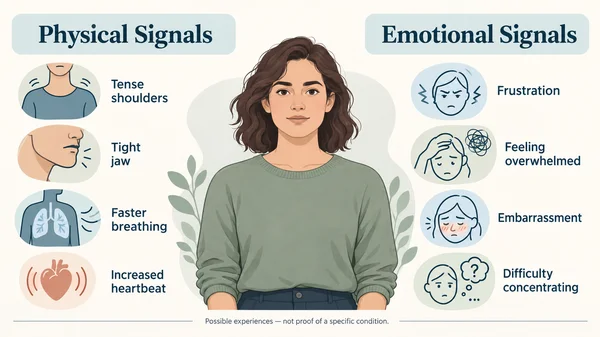
Before an outburst, you may notice a tight jaw, tense shoulders, faster breathing, or a racing heartbeat. Emotionally, irritation might shift into embarrassment, helplessness, or a sense of being cornered. Afterward, you might feel tired, unsettled, or regretful.
Try noticing your own early signals. Recognizing them may give you a chance to respond before a disagreement becomes harder to manage.
What Causes Temper Tantrums in Adults?
There is rarely one simple explanation for what causes temper tantrums in adults. A trigger is the immediate event that sets off a reaction; a contributing factor is something that may make that reaction more likely or harder to manage.
Stress, Fatigue, and Emotional Overload
A missed meal, poor sleep, competing deadlines, or constant noise can leave you with less patience than usual. For example, a minor comment after an exhausting workday may feel much bigger than it would on a rested morning.
This does not excuse harmful behavior. It does suggest that context matters when you want to understand a reaction rather than merely judge it.
Frustration, Expectations, and Communication Difficulties
Sometimes anger builds when you feel ignored or expect something that does not happen. A disagreement may intensify if you struggle to name what you need. You might argue about a late arrival when the deeper concern is feeling unimportant.
Ask yourself: What did I hope would happen? What did I hear or assume? Those questions can reveal more than repeatedly replaying the argument.
Past Experiences and Emotional Regulation Patterns
Earlier experiences can influence how you respond to criticism, conflict, or uncertainty. Still, not every adult tantrum reflects trauma or a childhood problem. Emotional regulation also changes with present circumstances, learned habits, and individual differences.
If certain situations repeatedly bring up strong anger, an anger management assessment may give you another way to reflect on frequency, intensity, and triggers. It cannot establish why a particular outburst occurred.
Adult Tantrums vs. Meltdowns vs. Anger Outbursts
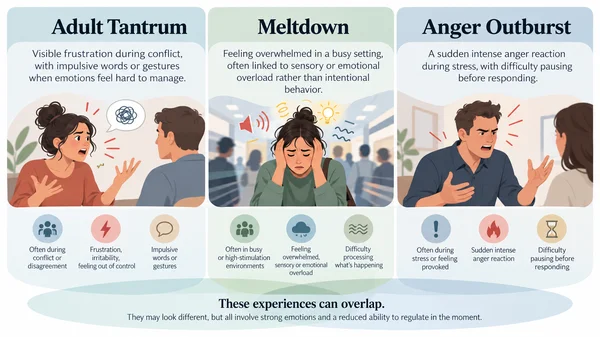
These terms sometimes describe overlapping experiences. They are not interchangeable diagnoses, and you cannot reliably identify someone's motive just by watching what they do.
Key Differences in How the Terms Are Used
| Term | Common meaning | Important limitation |
|---|---|---|
| Adult tantrum | An intense, often visible expression of frustration or distress | An everyday label, not a clinical diagnosis |
| Meltdown | An overwhelming response that may involve sensory, emotional, or other overload | May include withdrawal as well as outward distress; not necessarily deliberate |
| Anger outburst | A sudden, strong expression of anger | Describes what happens, not the underlying cause |
Why Similar Behaviors Can Have Different Explanations
Two adults might both cry or raise their voices during conflict. One may be frustrated by an unmet expectation; another may feel overwhelmed by too much input or pressure. Their needs and helpful responses might differ.
Instead of assuming intention, focus on immediate safety, what the person communicates, and what happened before the episode. If the pattern is recurring, a qualified professional can help explore it more fully.
How Adult Temper Tantrums Affect Relationships
Adult temper tantrums in relationships can make ordinary conversations feel unpredictable. You may dread bringing up money, schedules, or household responsibilities because a small disagreement might escalate. Repeated episodes can affect trust, even when both people want to improve communication.
When Your Anger Affects Someone Else
Imagine snapping at your partner after a difficult day. Once calm, you could say, “I raised my voice, and that was hurtful. I was overwhelmed, but I still need to take responsibility.” Then explain what might help next time, such as requesting a break before continuing.
Repair does not mean pretending nothing happened. It means acknowledging the impact and following through on a safer approach.
When You Are Responding to Another Adult's Outburst
You can acknowledge a feeling without accepting intimidation. For example: “I can see that you're upset. I want to discuss this when we can both speak without shouting.”
Give space when possible. Avoid trying to settle every detail in the hottest moment. If you feel threatened, focus on getting to safety and contacting appropriate support. A tantrum label should never minimize intimidation, controlling behavior, or violence.
How to Respond During an Adult Temper Tantrum
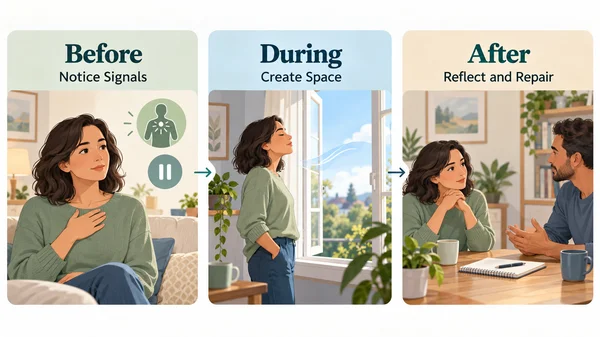
When emotions rise, you do not need a perfect speech. A short plan can help you protect safety and make a later conversation possible. Use this before, during, and after checklist as a flexible guide.
Before Escalation: Notice Early Warning Signs
- Spot the change. Are your shoulders tense? Are you interrupting or repeating yourself?
- Name the emotion quietly. Try, “I'm frustrated and need a moment.”
- Choose a pause. If possible, agree on when you will return to the discussion.
The goal is not to suppress anger. It is to give yourself more choices about what happens next.
During an Outburst: Reduce Escalation and Prioritize Safety
If you are overwhelmed, step away from the argument when it is safe. Breathe at a comfortable pace, lower surrounding stimulation, or take a brief walk. Avoid driving while highly agitated or using alcohol to settle down.
If someone else is having an outburst, keep your words simple and give them space. Do not block their exit, argue about motives, or demand an immediate explanation. When there are threats or physical aggression, distance and safety matter more than calming techniques.
Afterward: Regain Calm and Repair Communication
Once everyone is calmer, describe what happened without turning the conversation into a trial. Name one specific behavior you want to change. For instance, agree to say “I need ten minutes” instead of slamming a door.
A sincere apology can matter, but repeated promises without behavioral change are not enough. Look for practical follow-through.
How to Reduce Repeated Anger Outbursts Over Time
Immediate calming skills help with a difficult moment. Long-term work asks a different question: What keeps this pattern returning? The aim is progress, not never feeling angry again.
Notice Patterns Across Repeated Episodes
Try a simple five-part reflection log after an episode:
- Situation: What happened just before the reaction?
- Feeling: Was it anger, shame, fear, frustration, or several feelings?
- Intensity: How strong did it feel on a personal 1–10 scale?
- Response: What did you say or do?
- Next time: What is one safer action you could try?
Your numbers are personal reflections, not clinical scores. After several entries, you may notice recurring settings, times, or unmet needs.
Practice Emotional Regulation and Communication Skills
Choose one habit instead of attempting a complete personality overhaul. You might practice asking for a pause, using “I feel” statements, or noticing early body signals. Sleep, regular meals, physical activity, and manageable breaks can also support your ability to respond thoughtfully.
If one approach does not help, adjust it. Consistency matters more than achieving a flawless reaction every time.
When Should Adults Seek Help for Anger Outbursts?
Consider professional support if outbursts happen repeatedly, feel difficult to manage, damage relationships, disrupt work, or leave you distressed afterward. You can also seek help when you are unsure what is contributing to sudden or marked changes in your reactions.
A mental health professional can help you explore emotional patterns and discuss approaches that fit your situation. Depending on your needs, this may include structured skills work or other forms of care. You do not need to identify a condition before asking for support.
If you might hurt yourself or someone else, treat that as an immediate safety concern. Move away from danger when possible and contact local emergency or crisis services. Online self-assessment is not suitable for handling a crisis.
What Can Your Anger Patterns Tell You?
Noticing patterns can make a confusing episode easier to examine. Rather than asking whether you are simply “an angry person,” consider four dimensions that describe your experiences without defining your identity.
Observe Anger Frequency and Intensity
Frequency asks how often anger shows up. Intensity asks how strong it feels when it does. You may experience frequent mild irritation, rare intense outbursts, or a mixture. Tracking both can reveal differences that a single label misses.
Identify Triggers and Expression Patterns
Triggers are the situations or interactions you associate with anger. Expression style describes how you tend to respond, such as speaking sharply, withdrawing, or explaining your needs. These observations can help you choose useful questions for personal reflection.

AngerTest.org offers a free self-assessment with a basic results summary and an optional AI-enhanced report. This article and these tools are for education and self-reflection only. They do not establish a diagnosis, determine the cause of a tantrum, or replace professional evaluation or treatment.
Building Healthier Responses to Adult Anger
Understanding temper tantrums in adults begins with separating the emotion from the behavior. You can recognize warning signs, explore triggers, protect boundaries, and practice more thoughtful responses without expecting immediate perfection. If patterns persist or affect safety, professional support is an appropriate next step.
For a structured but optional way to reflect, you can explore a free anger self-assessment alongside your own notes. Use any results as conversation starters about your experiences, not as labels or final answers.
Frequently Asked Questions
Is It Normal for Adults to Throw Temper Tantrums?
Strong emotional reactions can happen in adulthood. However, repeated outbursts that harm relationships, work, or safety deserve attention. The context and impact matter more than whether someone calls the episode a tantrum.
What Are Temper Tantrums in Adults Called?
People may say adult tantrums, anger outbursts, or emotional outbursts. Those terms describe observable experiences. They do not, by themselves, identify a mental health condition.
Can Adult Temper Tantrums Happen Without a Clear Reason?
Yes. Sometimes the immediate trigger is small or hard to recognize, while stress or frustration has accumulated over time. If the change is sudden, persistent, or concerning, seek professional advice rather than guessing at the cause.
Can Adults Learn to Manage Temper Tantrums?
Many adults can develop more useful ways to recognize and respond to rising anger. Reflection, practiced communication, calming skills, and professional support when appropriate may help. Progress can look gradual rather than immediate.
How Can You Calm Down After an Adult Tantrum?
First, make sure you and others are safe. Give yourself time to settle, drink water if helpful, and avoid restarting the argument too soon. Later, identify what happened, acknowledge any harm, and choose one practical change for the next difficult moment.